State Guide
Washington: The Storm-Ready Checklist
Washington's biggest weather risks are extreme rainfall and flash flood (Mar), hail and derecho (Oct–Jan) and extreme heat (Jun–Jul). This page collects the state's emergency contacts, shelter and mitigation money, and the rules worth knowing before the next warning: every fact linked to its source below.
Wildfire WestQuake West
Money
Shelter & mitigation money
No dedicated state-run storm-shelter rebate or grant program is listed for Washington in the mitigation data reviewed for this page. Check with the state emergency management agency below for anything new.
NAIC's June 2025 hurricane-deductible list does not name Washington; NAIC notes other states may still allow insurers to include one, and a separate wind/hail deductible can appear in any state's policy regardless (content.naic.org/insurance-topics/hurricane-deductibles).
Contacts
Who to call, before and after
- Emergency management
Emergency Management Division · (253) 512-7000
- Insurance regulator
Washington State Office of the Insurance Commissioner · (360) 725-7000
- Weather alerts
- Energy bill assistance (LIHEAP)
- Well water testing
Hazards
The hazards Washington actually faces
- Extreme rainfall and flash flood
Peak season: Mar. Flash flooding is the deadliest hazard tied to rainfall, and most of those deaths are people driving into water they underestimated: six inches of moving water can stall a car, twelve can float one. Rainfall intensity, not just total inches, is what overwhelms storm drains and low-lying roads in a window of an hour or less.
- Hail and derecho
Peak season: Oct–Jan. Hail and derecho winds arrive inside the same thunderstorm complex, often with less lead time than a tornado warning because the threat is the whole storm line, not a single funnel. Large hail totals more property-damage claims nationally than any other severe-storm hazard, and derecho wind gusts can match hurricane-force winds hundreds of miles from open water. Vehicles under cover and loose yard items secured before the line arrives are the cheap fix.
- Extreme heat
Peak season: Jun–Jul. Extreme heat kills more people in an average US year than any other weather hazard, and most of those deaths are preventable: the risk concentrates in the first heat wave of the season, before bodies acclimate, and in households without reliable cooling. Checking on elderly or isolated neighbors during a heat advisory does more than any single piece of equipment.
Know Before You Need It
Rules worth knowing
- Emergency prescription refills
Up to a 30-day supply of legend (non-controlled) drugs, or 7 days for Schedule III-V, once the governor issues an emergency proclamation preventing continuity of care. WAC 246-945-332.
FAQ
Frequently asked
- Does Washington offer storm shelter rebates?
- No dedicated state-run storm-shelter rebate or grant program is listed for Washington in the mitigation data reviewed here. The state emergency management agency is the best source for anything new.
- What natural disasters does Washington get?
- Washington's primary weather hazards are extreme rainfall and flash flood (Mar), hail and derecho (Oct–Jan) and extreme heat (Jun–Jul).
- Who regulates insurance in Washington?
- Insurance in Washington is regulated by Washington State Office of the Insurance Commissioner.
Data verified 2026-08-02, sources linked inline.
Get the Book
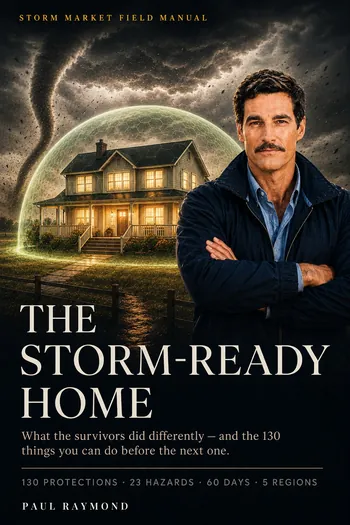
The 130 things you can do before the next one.
A 486-page manual built from the post-storm reports. 130 numbered protections, 23 hazard playbooks, a 60-day sequence, and the printable binder.
Get your free Washington packet
Every contact and program on this page, plus a one-page printable checklist for Washington.