State Guide
New York: The Storm-Ready Checklist
New York's biggest weather risks are blizzard and ice storm (Nov–Dec), extreme heat (Jul) and riverine and coastal flooding (Oct). This page collects the state's emergency contacts, shelter and mitigation money, and the rules worth knowing before the next warning: every fact linked to its source below.
Hurricane CoastIce & Snow North
Money
Shelter & mitigation money
No dedicated state-run storm-shelter rebate or grant program is listed for New York in the mitigation data reviewed for this page. Check with the state emergency management agency below for anything new.
NAIC lists New York among the 19 states plus DC with a separate hurricane or named-storm deductible in homeowner policies as of June 2025 (content.naic.org/insurance-topics/hurricane-deductibles).
Contacts
Who to call, before and after
- Emergency management
State emergency management agency · (518) 292-2200
- Insurance regulator
New York State Department of Financial Services · (212) 709-3500
- Energy bill assistance (LIHEAP)
Energy bill assistance (LIHEAP) · 1-800-342-3009
- Well water testing
Hazards
The hazards New York actually faces
- Blizzard and ice storm
Peak season: Nov–Dec. Ice storms cause more prolonged power outages than almost any other winter hazard, because ice loads snap tree limbs and power lines that snow alone would not touch: outages can run days in rural areas. Blizzards add near-zero visibility and windchill to the mix. A household's real blizzard plan is a heat source that doesn't depend on grid power and a stocked pantry that doesn't need refrigeration.
- Extreme heat
Peak season: Jul. Extreme heat kills more people in an average US year than any other weather hazard, and most of those deaths are preventable: the risk concentrates in the first heat wave of the season, before bodies acclimate, and in households without reliable cooling. Checking on elderly or isolated neighbors during a heat advisory does more than any single piece of equipment.
- Riverine and coastal flooding
Peak season: Oct. Riverine and coastal flooding move on a slower clock than flash flooding (hours to days instead of minutes), which is exactly why households underprepare for it. Flood damage is excluded from standard homeowners' policies almost everywhere, so the financial exposure is separate from the physical one, and it is worth checking before, not after, the water rises.
Know Before You Need It
Rules worth knowing
- Winter utility shutoff protection
HEFPA winter rule, Nov 1 - Apr 15: utilities must make special contact efforts before terminating heat-related service, plus a mandatory holiday-period moratorium around Christmas/New Year (NY Dept. of Public Service).
FAQ
Frequently asked
- Does New York offer storm shelter rebates?
- No dedicated state-run storm-shelter rebate or grant program is listed for New York in the mitigation data reviewed here. The state emergency management agency is the best source for anything new.
- What natural disasters does New York get?
- New York's primary weather hazards are blizzard and ice storm (Nov–Dec), extreme heat (Jul) and riverine and coastal flooding (Oct).
- Who regulates insurance in New York?
- Insurance in New York is regulated by New York State Department of Financial Services.
Data verified 2026-08-02, sources linked inline.
Get the Book
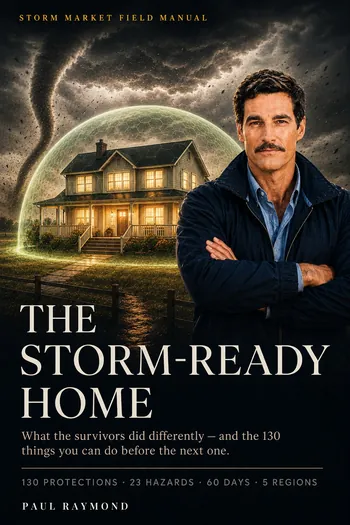
The 130 things you can do before the next one.
A 486-page manual built from the post-storm reports. 130 numbered protections, 23 hazard playbooks, a 60-day sequence, and the printable binder.
Get your free New York packet
Every contact and program on this page, plus a one-page printable checklist for New York.